The Insider Lens is a weekly newsletter on leadership, risk, and delivery in public sector projects. Get practical insight every Friday — sign up here.
The United States has a lot of relationship management balls in the air these days: China trade negotiations, Iran de-nuclearization, and – of course – the break-up of maybe the most publicized bromance of modern times.
It’s a great reminder of how other teams can shape our work — even when we think we have full ownership.
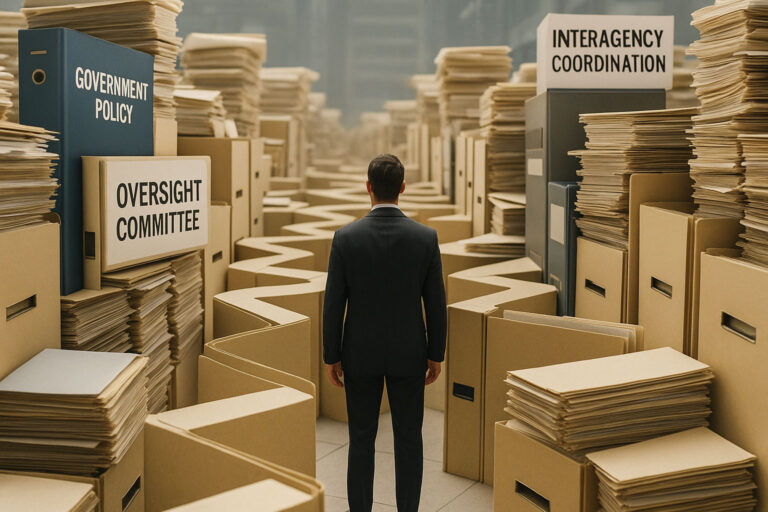
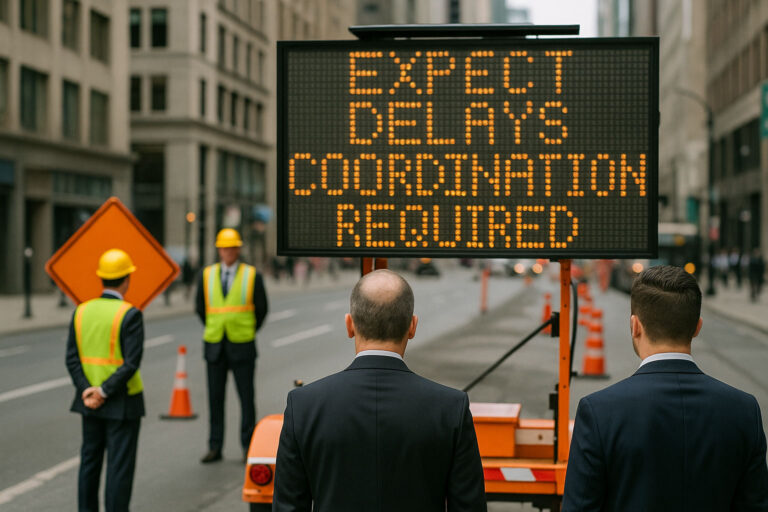
Nowhere is relationship management more critical than in public sector projects where program and IT misalignment can quietly derail outcomes.
On the productivity side?
Well, that’s often a very different story.
How Program and IT Misalignment Starts With Misunderstood Priorities
Getting along doesn’t mean getting things done.
While the project manager is always focused on one particular set of outcomes, IT is often juggling dozens of different projects and maintenance activities.
Even if everything else were otherwise aligned, these fractured priorities would make it a challenge to bring everyone’s resources together for the same purpose at the same time.
That’s if everything else were aligned – and it rarely is.
The great divide between project managers and their IT counterparts often comes down to program and IT misalignment — a failure to clarify expectations and outcomes.
Because waterfall project management requires only the bare minimum of checkpoints, too often project managers and IT managers talk about the product without being able to see it together.
They exchange descriptions without truly knowing if they’re describing the same thing.
This is not what we asked for — or is it?
The grand reveal is almost always a disappointment, filled with project managers talking about what they’d wanted to see, and IT pointing out how they did everything that was asked of them.
Everyone did their jobs, and yet no one is satisfied.
It’s so important for both parties to work side-by-side and understand what’s working – and more importantly, what isn’t.
It doesn’t have to be senior leadership, but it should be team members involved enough with the work that they can provide constructive feedback to each straight away, without consulting the powers that be.
That way, no one will be left wondering what happened at the end of the road.
Especially when the money’s already been spent.
💡 In Case You Missed It
Route Fifty, a prominent policy-focused site, recently featured my breakdown of three state government transformations — and what went wrong.
The reforms didn’t land, but the lessons are gold.
👉 Read the full article here.
Dealing with your own version of program and IT misalignment? Be sure to let me know — would love to hear how you tackled it.